16 Oct 2026
Swedish Gambling Laws: Linking Payment Verification to Progressive Jackpot Access
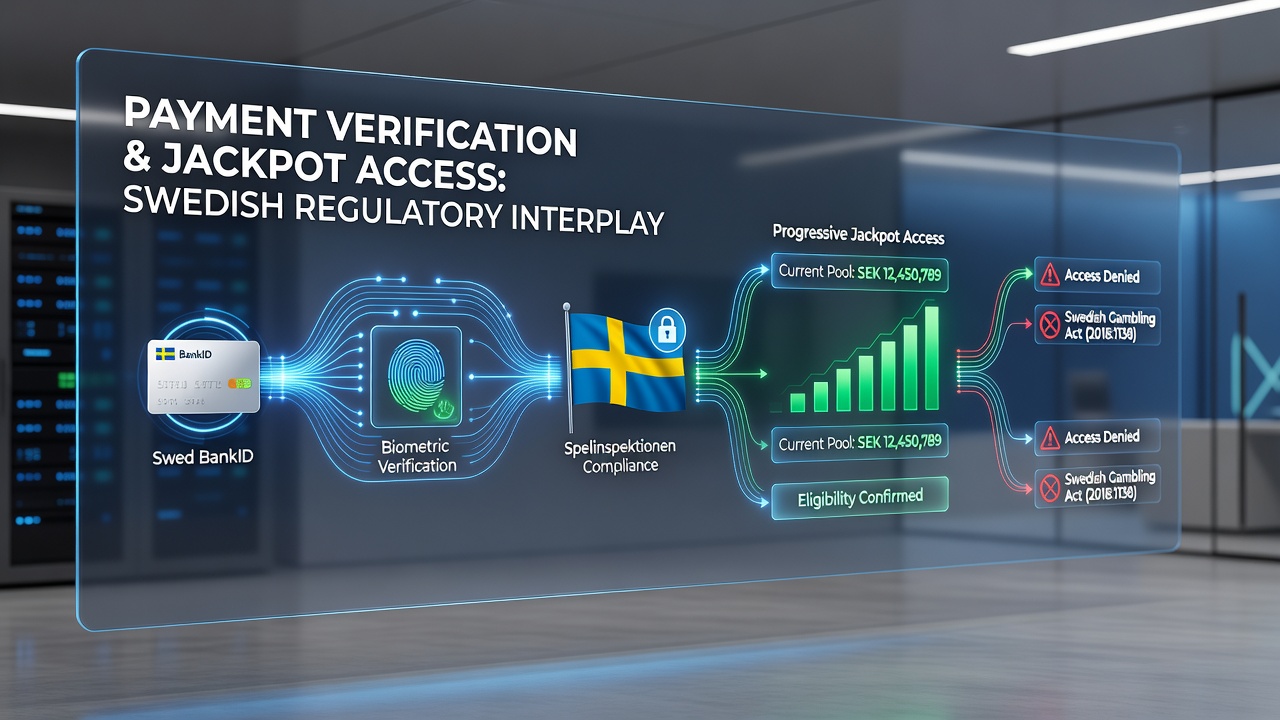
Regulatory Framework Governing Verified Payments
Swedish gambling legislation requires all licensed operators to implement robust payment verification processes before players can access progressive jackpot features, and these rules stem from the Gambling Act that Spelinspektionen enforces across the market. Operators must confirm player identity through approved channels such as bank transfers or e-wallets that support real-time authentication, which ensures compliance with anti-money laundering directives while allowing participation in networked jackpot pools that accumulate across multiple sites.
Data from regulatory reports shows that verification typically occurs within minutes when players use methods tied to Swedish bank accounts, yet delays arise with international options that demand additional documentation; this setup creates a direct gatekeeping mechanism for jackpot eligibility. Those who complete verification gain immediate entry to titles where contributions feed into shared prize pools, whereas unverified accounts remain restricted to standard slots without progressive elements.
How Verification Processes Enable Jackpot Participation
Payment verification serves as the gateway because Swedish rules tie jackpot access to confirmed financial transactions that demonstrate legitimate funding sources, and operators integrate these checks into account onboarding to meet licensing conditions. Players who link verified methods see their contributions reflected instantly in jackpot meters, while the system flags any discrepancies that could indicate non-compliance.
Research from industry analyses indicates that over 90 percent of licensed platforms in Sweden route progressive jackpot entries through verified payment rails, which reduces fraud risks and maintains pool integrity across participating operators. This linkage means that even high-stakes participants must maintain active verification status, as lapses trigger automatic suspension from jackpot rounds until re-authentication occurs.

Impact of Mobile Platforms on Verification Standards
Mobile expansion has intensified the focus on seamless verification because Swedish regulations demand the same standards whether access happens via desktop or app, and operators have adapted by embedding biometric options alongside traditional bank confirmations. Data shows increased mobile jackpot activity correlates with faster verification times when using approved Swedish payment providers that support instant KYC matching.
Observers note that as of October 2026, updates to mobile compliance protocols emphasize real-time cross-checks with payment processors, which allows players to unlock progressive features without leaving the gaming interface. This evolution keeps the system aligned with broader EU financial directives while preserving the requirement that only verified accounts contribute to and claim from jackpot pools.
Case Examples from Licensed Operators
One licensed operator integrated mandatory payment verification for all jackpot titles in early 2025, resulting in a documented drop in disputed claims and smoother prize distributions according to internal compliance logs shared with Spelinspektionen. Another site reported that players using verified instant bank payments completed jackpot entries 40 percent faster than those relying on card-based methods requiring manual review.
These examples illustrate how the regulatory structure channels participation through verified pathways, and similar patterns appear across the market where operators prioritize payment methods pre-approved for Swedish users. Industry reports from the European Gaming and Betting Association highlight that such verification layers support sustainable jackpot growth without compromising player protections.
Future Considerations for Payment and Jackpot Integration
Swedish authorities continue to refine verification requirements in response to technological shifts, and upcoming assessments scheduled around late 2026 may introduce further standards for cross-border payment compatibility. Licensed operators must stay prepared to adjust their systems so that progressive jackpot access remains contingent on verified transactions that meet evolving criteria.
Figures from market monitoring reveal steady growth in verified mobile jackpot participation, which underscores the ongoing interplay between payment authentication and eligibility under current laws. Those monitoring the sector note that any changes will likely reinforce rather than relax these connections to maintain market integrity.
Conclusion
The Swedish gambling framework establishes clear connections between payment verification and progressive jackpot access, ensuring that only authenticated transactions feed into and qualify for shared prize pools at licensed venues. This structure supports regulatory goals around transparency and security while adapting to mobile advancements that keep verification efficient for players. Observers expect continued alignment between payment standards and jackpot rules as the market evolves through 2026 and beyond.