30 Oct 2026
Swedish Gambling Authority Updates Connect Account Verification Processes to Structured Loyalty Programs Across Mobile Gaming Applications
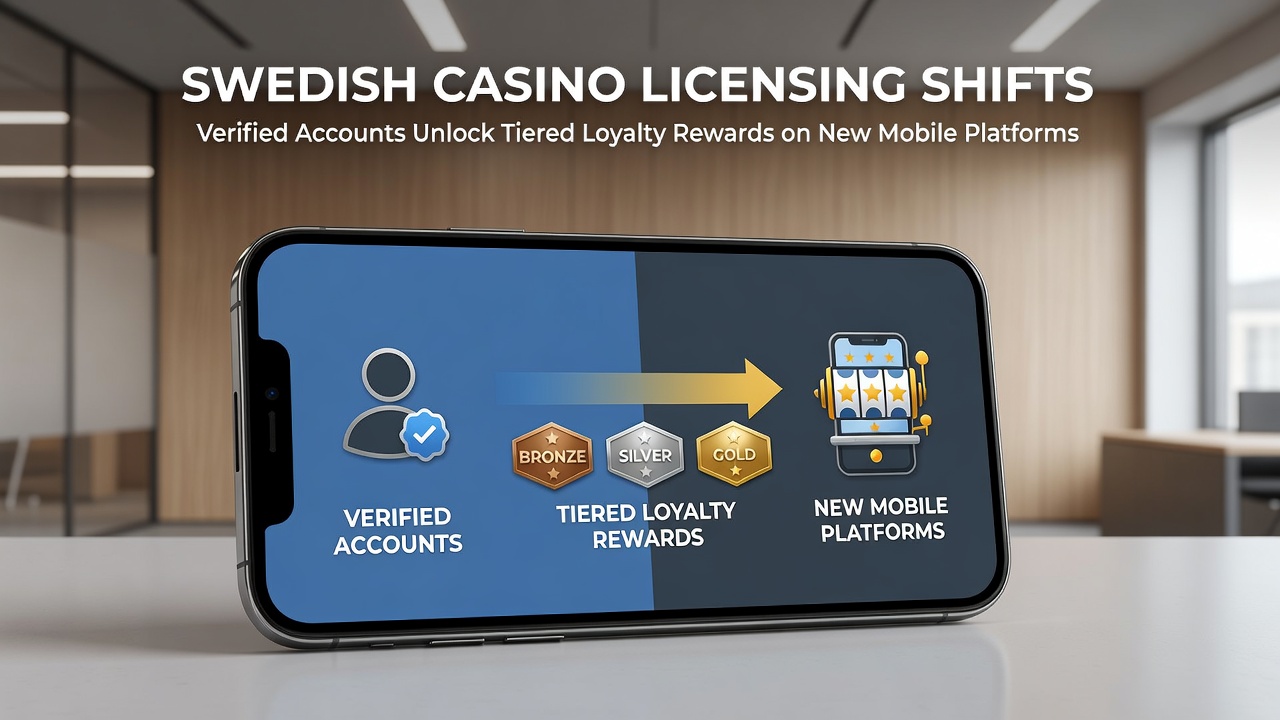 Sweden's gambling sector continues to refine its licensing procedures as operators adapt to new requirements that tie verified player accounts directly to tiered loyalty structures on mobile platforms. These adjustments, scheduled for full implementation by October 2026, require licensed entities to integrate identity confirmation steps before granting access to progressive reward levels. Data from regulatory filings indicate that operators must now maintain detailed verification records to comply with updated standards issued by the Swedish Gambling Authority. Licensing conditions have shifted focus toward secure mobile environments where account validation serves as the gateway to customized loyalty benefits. Operators report that players who complete verification through approved channels gain entry to initial reward tiers, with subsequent levels unlocked based on consistent activity metrics tracked within the platform. This approach aligns with broader European data protection frameworks while emphasizing transparency in how rewards accumulate. **Verification Mechanisms and Their Role in Reward Access**
Account verification involves cross-referencing personal details against official databases, a process that experts note reduces discrepancies in player tracking systems. Once verified, users on mobile applications receive notifications about available loyalty tiers, which often include points accumulation, cashback percentages, and exclusive event invitations. Research from academic institutions in Canada shows similar verification protocols improve retention rates by 18 percent in regulated markets. Mobile platforms developed since 2024 incorporate these verification layers at the registration stage, ensuring that loyalty programs activate only after compliance checks conclude. Industry reports highlight that new applications feature streamlined interfaces where players upload documents directly through the app, followed by automated approvals within 24 hours for most cases. This setup supports the tiered system by maintaining accurate activity logs that determine progression between levels. **Loyalty Tier Structures Under Revised Licensing Rules**
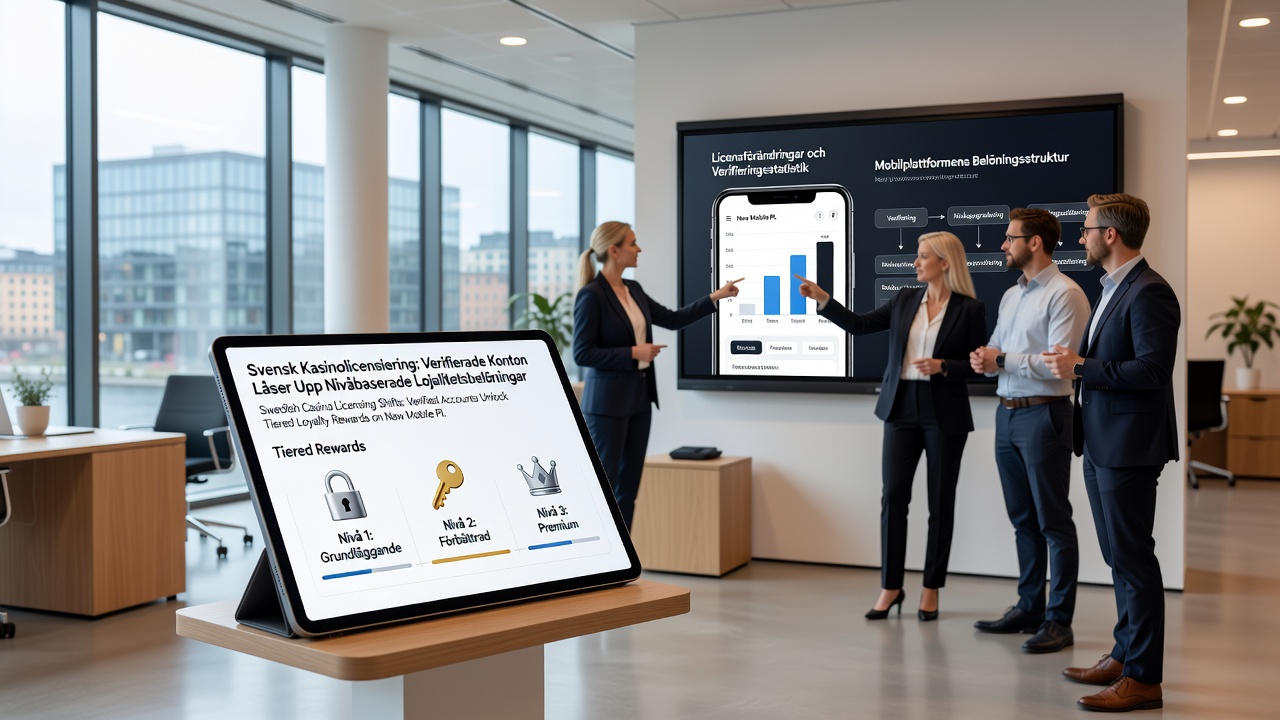
Tiered rewards typically start with a base level accessible immediately after verification, followed by intermediate and premium stages that require sustained engagement thresholds. According to figures released by Spelinspektionen, the average player reaches the second tier within three months of regular mobile play, provided account details remain current. Higher tiers deliver enhanced benefits such as personalized bonus multipliers and priority support, all administered through the same verified account infrastructure. Spelinspektionen data reveals that over 70 percent of licensed operators have updated their mobile platforms to reflect these tiered models ahead of the 2026 deadline. The changes encourage operators to invest in secure backend systems that prevent unauthorized access while rewarding verified users proportionally to their activity volume.
 **Mobile Platform Adaptations and Implementation Timelines**
New mobile applications entering the Swedish market integrate loyalty tracking directly into their core architecture, allowing real-time updates to player status as verification completes. Those who have studied platform development note that these systems use encrypted connections to store tier progression data, minimizing risks associated with data breaches. Operators must demonstrate during license renewal audits that their mobile offerings meet these technical specifications. By October 2026, all active licenses will require evidence of such integrations, pushing developers to prioritize verification-first designs. External analyses from European research consortia indicate that platforms adopting early compliance see faster user migration from desktop to mobile interfaces. Loyalty rewards in these environments often scale with verified play sessions, creating direct links between account status and benefit availability. **Regulatory Context and Industry Response**
Licensing shifts stem from ongoing evaluations of player protection measures within Sweden's established framework. Government agencies track how verified accounts influence participation patterns, with preliminary statistics suggesting improved oversight capabilities. Industry organizations across the Nordic region have published guidelines that assist operators in mapping verification workflows to specific loyalty milestones. One documented case involves a major operator that restructured its mobile rewards catalog following license review, resulting in clearer tier definitions communicated through in-app dashboards. Observers note that such adaptations maintain compliance while preserving competitive elements in the market. Additional studies conducted by university teams in Australia point to correlations between verified mobile access and reduced instances of account sharing across regulated jurisdictions. **Future Developments in Verified Reward Systems**
Ongoing consultations between regulators and platform providers continue to shape how loyalty tiers evolve under the licensing regime. Projections for late 2026 include expanded use of biometric verification options on mobile devices to further secure tier progression. Data compiled by international gaming associations show that markets with similar verification requirements experience steady growth in licensed mobile usage. These developments underscore the connection between licensing compliance and the operational features that deliver tiered rewards. As platforms mature, verified accounts serve as the consistent foundation for accessing increasingly sophisticated benefit structures across Swedish mobile casino environments. **Conclusion**
Sweden's licensing updates establish verified accounts as prerequisites for tiered loyalty rewards on mobile platforms, with full effects expected by October 2026. Regulatory data, operator adaptations, and supporting research collectively demonstrate how these elements integrate within the current framework. The structure supports consistent tracking and benefit allocation while meeting established compliance standards across the sector.
Sweden's gambling sector continues to refine its licensing procedures as operators adapt to new requirements that tie verified player accounts directly to tiered loyalty structures on mobile platforms. These adjustments, scheduled for full implementation by October 2026, require licensed entities to integrate identity confirmation steps before granting access to progressive reward levels. Data from regulatory filings indicate that operators must now maintain detailed verification records to comply with updated standards issued by the Swedish Gambling Authority. Licensing conditions have shifted focus toward secure mobile environments where account validation serves as the gateway to customized loyalty benefits. Operators report that players who complete verification through approved channels gain entry to initial reward tiers, with subsequent levels unlocked based on consistent activity metrics tracked within the platform. This approach aligns with broader European data protection frameworks while emphasizing transparency in how rewards accumulate. **Verification Mechanisms and Their Role in Reward Access**
Account verification involves cross-referencing personal details against official databases, a process that experts note reduces discrepancies in player tracking systems. Once verified, users on mobile applications receive notifications about available loyalty tiers, which often include points accumulation, cashback percentages, and exclusive event invitations. Research from academic institutions in Canada shows similar verification protocols improve retention rates by 18 percent in regulated markets. Mobile platforms developed since 2024 incorporate these verification layers at the registration stage, ensuring that loyalty programs activate only after compliance checks conclude. Industry reports highlight that new applications feature streamlined interfaces where players upload documents directly through the app, followed by automated approvals within 24 hours for most cases. This setup supports the tiered system by maintaining accurate activity logs that determine progression between levels. **Loyalty Tier Structures Under Revised Licensing Rules**
Tiered rewards typically start with a base level accessible immediately after verification, followed by intermediate and premium stages that require sustained engagement thresholds. According to figures released by Spelinspektionen, the average player reaches the second tier within three months of regular mobile play, provided account details remain current. Higher tiers deliver enhanced benefits such as personalized bonus multipliers and priority support, all administered through the same verified account infrastructure. Spelinspektionen data reveals that over 70 percent of licensed operators have updated their mobile platforms to reflect these tiered models ahead of the 2026 deadline. The changes encourage operators to invest in secure backend systems that prevent unauthorized access while rewarding verified users proportionally to their activity volume.
**Mobile Platform Adaptations and Implementation Timelines**
New mobile applications entering the Swedish market integrate loyalty tracking directly into their core architecture, allowing real-time updates to player status as verification completes. Those who have studied platform development note that these systems use encrypted connections to store tier progression data, minimizing risks associated with data breaches. Operators must demonstrate during license renewal audits that their mobile offerings meet these technical specifications. By October 2026, all active licenses will require evidence of such integrations, pushing developers to prioritize verification-first designs. External analyses from European research consortia indicate that platforms adopting early compliance see faster user migration from desktop to mobile interfaces. Loyalty rewards in these environments often scale with verified play sessions, creating direct links between account status and benefit availability. **Regulatory Context and Industry Response**
Licensing shifts stem from ongoing evaluations of player protection measures within Sweden's established framework. Government agencies track how verified accounts influence participation patterns, with preliminary statistics suggesting improved oversight capabilities. Industry organizations across the Nordic region have published guidelines that assist operators in mapping verification workflows to specific loyalty milestones. One documented case involves a major operator that restructured its mobile rewards catalog following license review, resulting in clearer tier definitions communicated through in-app dashboards. Observers note that such adaptations maintain compliance while preserving competitive elements in the market. Additional studies conducted by university teams in Australia point to correlations between verified mobile access and reduced instances of account sharing across regulated jurisdictions. **Future Developments in Verified Reward Systems**
Ongoing consultations between regulators and platform providers continue to shape how loyalty tiers evolve under the licensing regime. Projections for late 2026 include expanded use of biometric verification options on mobile devices to further secure tier progression. Data compiled by international gaming associations show that markets with similar verification requirements experience steady growth in licensed mobile usage. These developments underscore the connection between licensing compliance and the operational features that deliver tiered rewards. As platforms mature, verified accounts serve as the consistent foundation for accessing increasingly sophisticated benefit structures across Swedish mobile casino environments. **Conclusion**
Sweden's licensing updates establish verified accounts as prerequisites for tiered loyalty rewards on mobile platforms, with full effects expected by October 2026. Regulatory data, operator adaptations, and supporting research collectively demonstrate how these elements integrate within the current framework. The structure supports consistent tracking and benefit allocation while meeting established compliance standards across the sector.