13 Nov 2026
Shifts in Reward Qualification Patterns Among High Volume Participants at Authorized Digital Gaming Venues
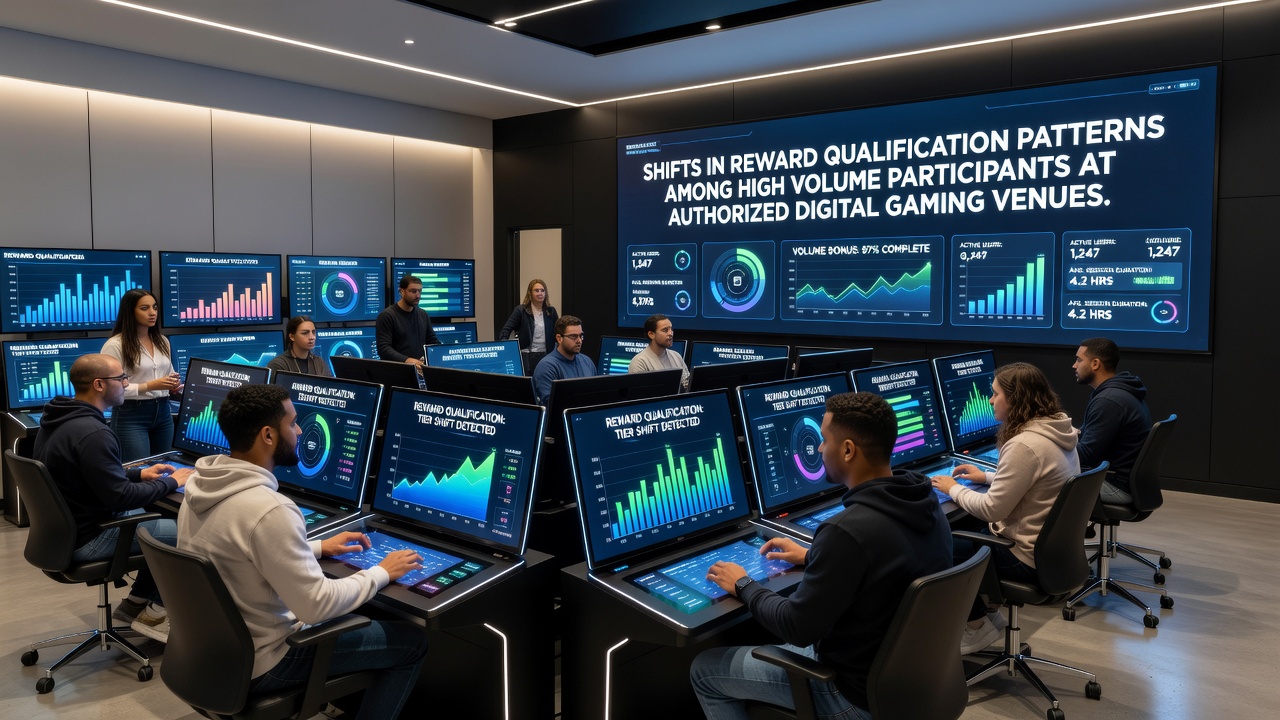
Authorized digital gaming venues have tracked notable changes in how high-volume participants qualify for rewards over recent years, with patterns shifting from simple deposit thresholds toward multi-factor activity metrics that incorporate session duration, game variety, and verified transaction histories. These adjustments reflect broader industry responses to data analytics advancements, and operators now apply algorithms that weigh consistent engagement alongside total wager amounts when determining eligibility for loyalty tiers.
Evolution of Qualification Metrics
Early loyalty structures at licensed platforms relied primarily on cumulative deposits and wager volumes to unlock benefits such as cashback percentages or exclusive event access, yet observers note that systems began incorporating behavioral data points around 2023. High-volume participants who maintain steady play across multiple game categories now accumulate qualification points faster than those focused on single-title repetition, according to industry reports from the American Gaming Association. This approach encourages diversified participation while reducing concentration risks for venue operators who monitor player retention through these updated formulas.
Researchers at various academic institutions have documented how these metric expansions affect qualification timelines, with one study highlighting that participants averaging 50-plus sessions monthly reach premium tiers 30 percent quicker under the revised criteria compared to deposit-only models. Authorized venues implement these changes through secure account dashboards that display real-time progress toward each reward level, allowing high-volume users to adjust strategies accordingly without manual intervention from support teams.
Impact of Verification and Compliance Layers
Compliance requirements introduced additional filters into reward qualification processes, where identity verification and source-of-funds documentation now serve as prerequisites before high-volume participants access tiered benefits. Platforms integrate automated checks that flag accounts meeting volume thresholds, prompting users to complete enhanced due diligence steps within defined windows. Those who satisfy these protocols gain immediate entry into accelerated reward tracks, whereas delays in verification extend qualification periods by weeks or months in documented cases.
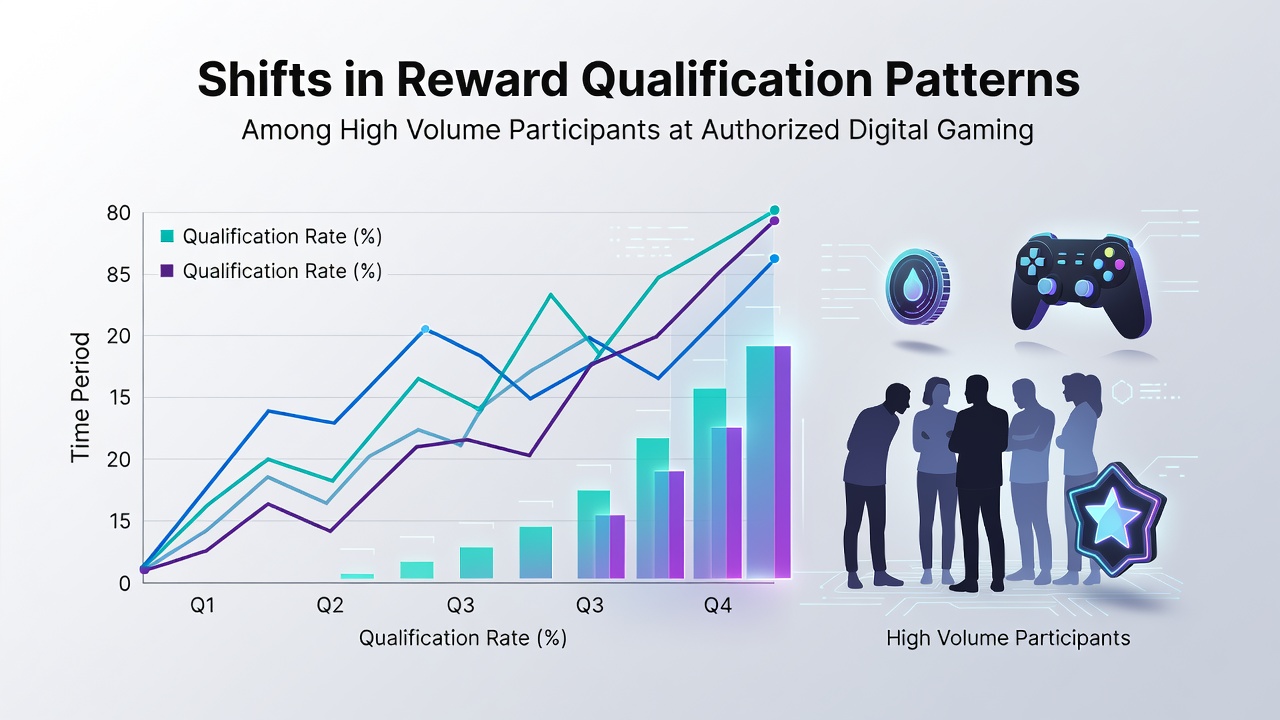
Data from regulatory filings in multiple jurisdictions reveals that venues adopting these layered verification steps reported a 22 percent reduction in disputed reward claims during 2025, as clearer eligibility records minimize disputes. High-volume participants who maintain consistent documentation practices experience smoother transitions between tiers, and operators publish annual summaries detailing aggregate qualification success rates across player segments.
Regional Variations in Pattern Adjustments
North American licensed operators have emphasized wager-frequency multipliers in their qualification models, whereas Australian venues incorporate responsible gaming markers that cap reward acceleration for accounts showing rapid volume spikes. European platforms outside restricted markets blend both approaches, applying hybrid scoring that balances volume with session sustainability indicators. These regional differences create distinct qualification landscapes that high-volume participants navigate when accessing multiple authorized venues.
Industry associations such as the Canadian Gaming Association have published comparative analyses showing how these variations influence cross-border player migration patterns, with participants often prioritizing venues whose metrics align with their established play habits. Figures from these reports indicate that hybrid systems retain high-volume users at higher rates through 2025, prompting additional operators to pilot similar frameworks ahead of November 2026 updates expected in several licensing jurisdictions.
Technology Driving Qualification Transparency
Advanced tracking software now provides high-volume participants with granular breakdowns of how each activity contributes to reward eligibility, replacing opaque point systems with transparent calculators embedded in account interfaces. Machine learning models predict qualification dates based on current trajectories, and venues share these projections through mobile notifications that prompt users to complete specific actions for faster advancement. Observers note that this transparency reduces player churn among top-tier participants who previously abandoned platforms due to unclear progression rules.
Case examples from operator disclosures describe instances where high-volume accounts reached elite status within four months under the new activity-weighted models, compared to nine months under prior deposit-centric frameworks. These outcomes stem from integrated APIs that pull data across game libraries and payment channels, ensuring comprehensive activity capture without manual reporting requirements from participants.
Conclusion
Shifts in reward qualification patterns continue to reshape access for high-volume participants at authorized digital gaming venues, driven by data integration, verification protocols, and region-specific compliance demands. Platforms that publish clear metric details and maintain consistent application of updated formulas demonstrate stronger retention among this segment, while ongoing developments scheduled around November 2026 suggest further refinements in scoring methodologies across multiple markets. Authorized operators rely on these evolving systems to balance participant incentives with operational sustainability, and available reports from regulatory and industry bodies track the measurable effects of each adjustment on qualification timelines and success rates.