16 Oct 2026
Regulatory Adjustments in Sweden's Gambling Sector Redefining Loyalty Tiers for High-Volume Participants at Authorized Platforms
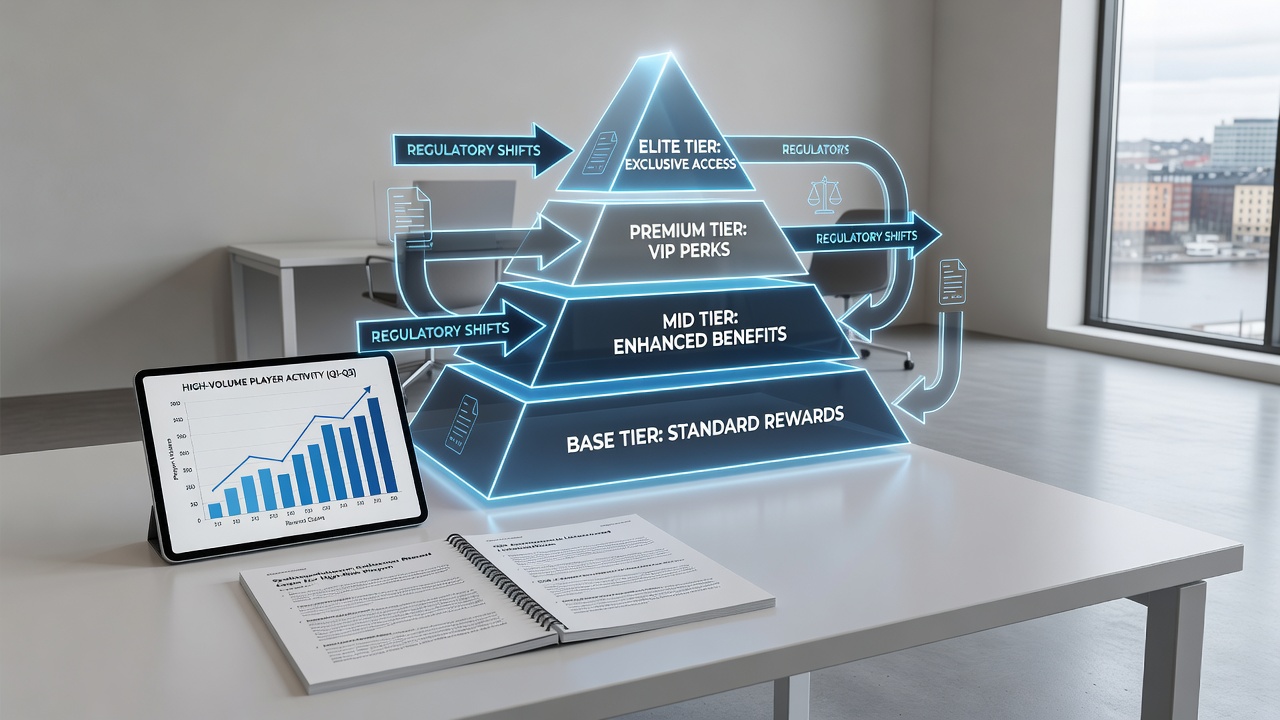
Swedish authorities have introduced several updates to the gambling licensing framework since the 2019 re-regulation, and these changes continue to influence how licensed operators structure reward tier systems for high-volume players. Data from the national gambling authority shows that compliance requirements around bonus transparency, player segmentation, and spending limits have prompted operators to revise qualification criteria for loyalty programs at sites holding Swedish licenses. Observers note that high-volume participants, defined by operators as those placing consistent large stakes over extended periods, now encounter more standardized thresholds when advancing through reward tiers.
Key Regulatory Changes Impacting Tier Qualifications
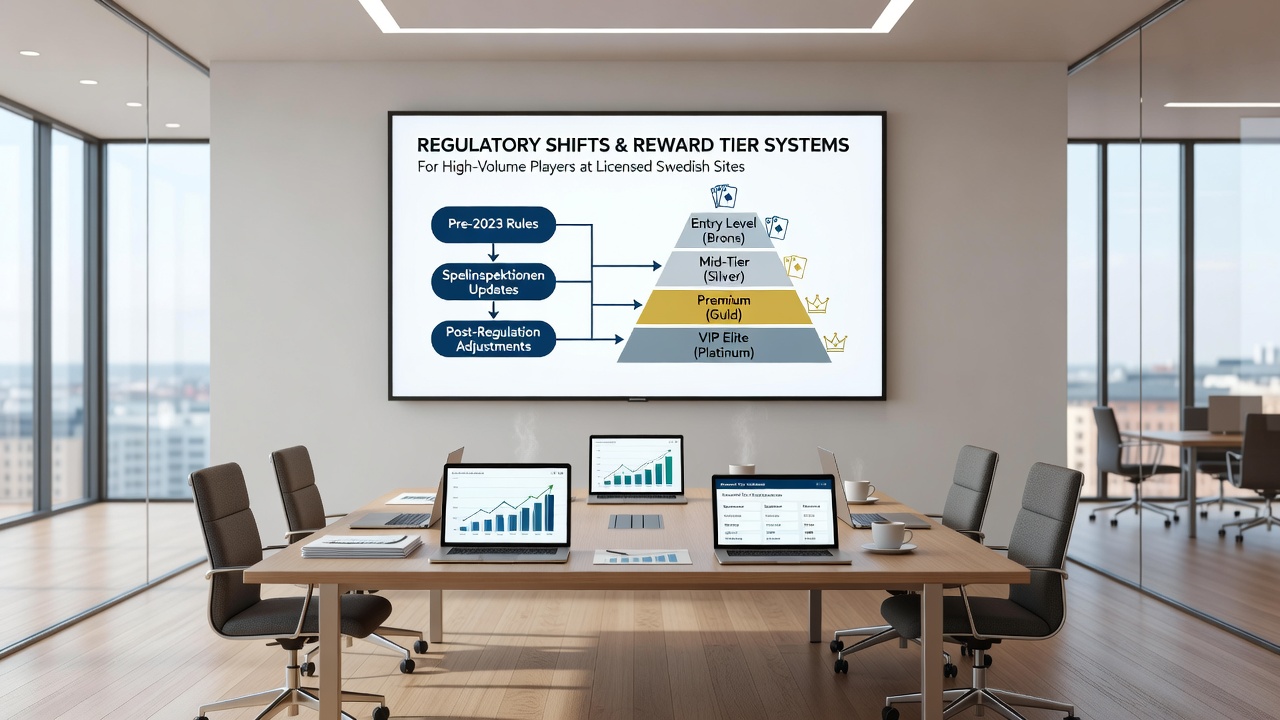
Amendments effective in recent years require licensed operators to document and justify the criteria used for tier advancement, particularly when those criteria involve deposit volumes or wagering activity. According to records maintained by Spelinspektionen, operators must ensure that any rewards tied to tier status remain proportionate to verified player activity while adhering to restrictions on promotional value. This has led many platforms to recalibrate point accumulation rates and minimum activity levels needed to reach silver, gold, or platinum tiers, with adjustments often implemented through updated terms that reflect the authority's guidance on responsible marketing.
Those tracking these developments point to increased scrutiny on personalized offers directed at high-volume players. Regulations now mandate clearer separation between standard promotions and tier-based rewards, which means operators can no longer bundle high-value incentives without explicit disclosure of the qualifying conditions. Research from European gaming oversight bodies indicates similar patterns across regulated markets, where transparency rules have reduced discretionary bonus allocation and encouraged automated systems for tier management.
Effects on High-Volume Player Programs
High-volume players at licensed Swedish sites have seen tier systems evolve toward measurable activity metrics rather than subjective operator discretion. Figures released by industry analysts reveal that operators now apply uniform formulas for calculating tier progression, incorporating factors such as net losses, session frequency, and verified deposit history. This standardization stems directly from licensing conditions that prohibit undisclosed preferential treatment and require operators to maintain records demonstrating fair application across all player segments.
One notable development involves the integration of loss-limit tracking into tier qualification processes. Licensed venues must align reward eligibility with the national self-exclusion and deposit-limit framework, which means players who have set spending caps may experience slower progression through higher reward tiers. Data compiled by independent monitoring organizations shows that these constraints have prompted operators to introduce alternative recognition mechanisms, such as status badges or non-monetary benefits, that do not rely solely on increased wagering volume.
Compliance Requirements for Licensed Operators
Operators holding Swedish licenses must submit detailed reports on their loyalty program structures during annual compliance reviews, with particular attention paid to how rewards scale for high-volume segments. Guidance issued by Spelinspektionen emphasizes that tier benefits must not encourage excessive play, leading many sites to cap the monetary value of tier rewards and introduce mandatory cooling-off periods between tier renewals. Industry reports from regulatory bodies in other jurisdictions, including analyses published by the Alcohol and Gaming Commission of Ontario, document parallel approaches where reward programs undergo review to confirm alignment with harm-reduction objectives.
Implementation timelines for these adjustments have varied, with several major licensed platforms completing system updates ahead of scheduled reviews in late 2026. Observers following the October 2026 compliance cycle note that operators are preparing revised tier documentation to address new audit requirements around player segmentation and reward proportionality. These preparations include enhanced data logging systems that track every tier advancement and the associated reward calculations.
Player Notification and Transparency Measures
Swedish regulations require operators to notify players of any changes to tier qualification rules at least 30 days before implementation. Licensed sites now maintain dedicated sections within player accounts that outline current tier status, points needed for advancement, and the specific benefits attached to each level. This approach stems from broader consumer protection rules that apply across all promotional activities, ensuring high-volume participants receive the same level of information as other player groups.
Studies conducted by academic researchers on regulated gambling markets indicate that transparent tier systems correlate with higher player retention rates when benefits remain clearly defined and accessible. Swedish operators have responded by publishing tier progression calculators and historical activity summaries, allowing high-volume players to project future status based on documented play patterns.
Conclusion
Regulatory shifts continue to shape reward tier systems for high-volume players at licensed Swedish sites through requirements for documentation, proportionality, and transparency. Operators have adapted by standardizing qualification criteria, integrating loss-limit considerations, and enhancing notification procedures. Data from oversight bodies and compliance records demonstrate that these adjustments form part of ongoing efforts to maintain consistent standards across the licensed market, with further refinements expected as operators prepare for upcoming review periods including those scheduled around October 2026.