18 Sep 2026
Mobile Platform Expansion Reshaping Progressive Jackpot Funding Through Secure Verified Payment Channels at Licensed Sites

Observers note that mobile platform expansion has accelerated the integration of verified transaction routes into progressive prize pool mechanisms across newly licensed venues, and data from multiple regulatory bodies indicates this shift began gaining momentum in late 2024 before projecting further acceleration by September 2026. Researchers at industry analysis firms have documented how these platforms facilitate direct contributions to jackpot pools through encrypted payment pathways that comply with licensing standards in various jurisdictions, while operators at emerging sites report streamlined processes that link player deposits instantly to shared prize accumulations.
Verified Transaction Routes and Their Role in Prize Pool Mechanics
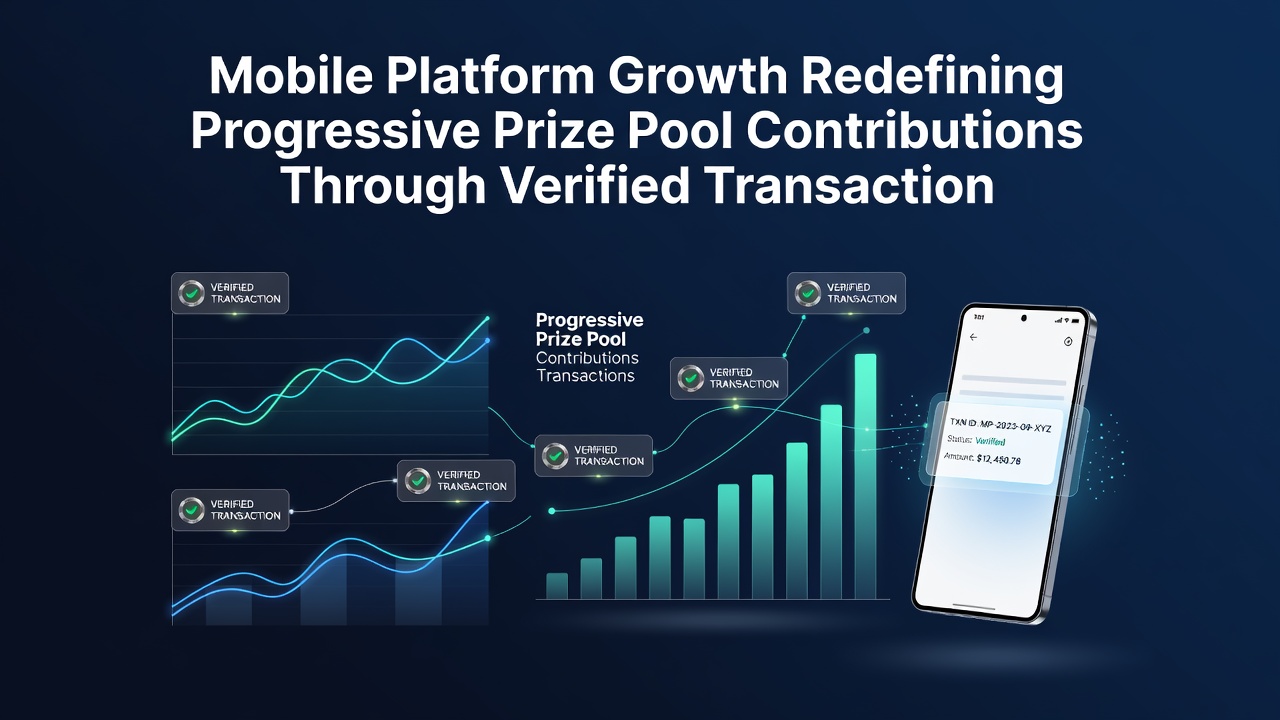
Studies conducted by European research institutions reveal that verified transaction routes on mobile platforms reduce processing delays in progressive jackpot contributions by routing funds through centralized compliance gateways before they reach the prize pool, and this method ensures each deposit meets regulatory thresholds set by licensing authorities in different regions. Those who track gambling technology trends point out that new licensed venues increasingly adopt these systems because they support real-time tracking of contributions, which helps maintain the integrity of multi-jurisdictional jackpots that span several operators, while also allowing players to monitor their share of the growing pool through dedicated app interfaces.
Growth Patterns in Mobile Adoption at Licensed Venues
Figures released by the European Gaming and Betting Association show mobile usage in licensed gaming environments rose steadily through 2025, with operators noting that a larger percentage of progressive jackpot activity now originates from smartphone and tablet sessions rather than desktop access, and this pattern aligns with broader shifts toward app-based platforms that incorporate built-in verification protocols. Data indicates new venues entering the market often prioritize mobile-first designs because they enable seamless integration with banking partners that support instant verification, thereby accelerating how contributions flow into shared prize pools without manual reconciliation steps.
What's interesting is how these developments intersect with regulatory updates that emphasize transaction transparency, as seen in guidelines from bodies like the Victorian Commission for Gambling and Liquor Regulation in Australia, which require documented proof of fund origins before they enter progressive systems. Observers note that licensed sites implementing mobile solutions report fewer discrepancies in pool calculations, since each verified route logs every contribution with timestamps and player identifiers that feed directly into the jackpot algorithm.
Impact on Emerging Licensed Venues and Their Systems
Analysts from research organizations have observed that newly licensed venues leverage mobile platform growth to expand their progressive jackpot offerings, because verified transaction routes allow these sites to participate in larger networked pools without establishing separate infrastructure for each game type, and this approach reduces operational overhead while meeting licensing conditions that demand auditable contribution trails. Those who've examined adoption rates note that by September 2026 projections indicate mobile-driven contributions could account for the majority of activity in certain progressive titles, particularly at venues that integrate third-party verification services into their apps from day one.
Yet the reality is that successful implementation depends on partnerships between operators, payment processors, and regulatory tech providers, since each verified route must align with jurisdiction-specific rules on fund segregation and reporting, and case studies from Canadian provincial regulators highlight how such integrations have supported consistent growth in jackpot sizes without compromising compliance records. Experts tracking these changes point to examples where venues updated their mobile interfaces to include mandatory verification checkpoints, which in turn streamlined the process of allocating portions of every wager to the progressive pool.
Future Projections and Regulatory Alignment
Reports compiled by academic groups studying digital gaming ecosystems suggest that continued mobile platform growth will further redefine contribution pathways, especially as new licensed venues incorporate advanced authentication layers that confirm transactions before they influence prize pool totals, and this evolution supports cross-border participation in jackpots under harmonized standards. Data shows regulatory frameworks in multiple regions now reference mobile verification as a preferred method for maintaining transparency, which encourages operators to adopt these routes early in their licensing applications.
Key Considerations for Operators and Players
- Integration of real-time verification tools that connect mobile deposits directly to jackpot ledgers
- Compliance with regional standards that mandate auditable trails for all progressive contributions
- Expansion of networked prize pools that benefit from increased mobile participation volumes
Turns out that these elements combine to create more resilient systems for progressive prize pools, where verified routes serve as the backbone that supports both growth and regulatory adherence at emerging sites. Those monitoring industry metrics note consistent patterns where mobile platforms enable faster scaling of jackpot contributions compared to legacy methods, while still preserving the requirement that every transaction passes through approved channels.
Conclusion
Overall, the expansion of mobile platforms continues to influence how progressive prize pools receive contributions through verified transaction routes at new licensed venues, with evidence pointing to sustained integration across regions as operators align their systems with evolving standards projected through September 2026 and beyond. Research indicates this approach enhances both operational efficiency and compliance capabilities, allowing shared jackpots to grow in a structured manner supported by transparent payment pathways.