2 Oct 2026
How Verified Transaction Methods Unlock High-Stakes Mobile Slot Events
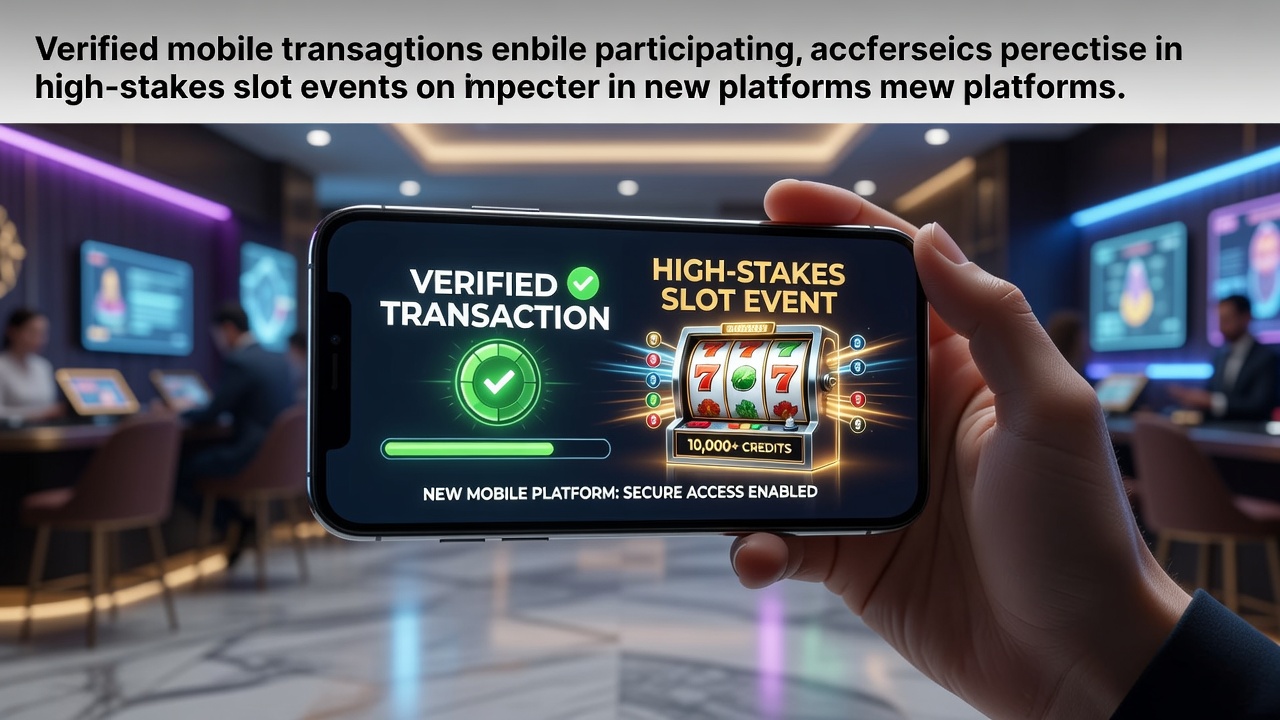
Verified transaction methods have become central to accessing high-stakes slot events on new mobile platforms, where operators require confirmation of player identity and funds before entry to premium tournaments becomes possible, and this process relies on integration with banking systems that support real-time validation, while platforms launched in recent years have adopted these protocols to meet regulatory standards across multiple jurisdictions.
Data from the New Jersey Division of Gaming Enforcement shows that verified payments now account for over 70 percent of entries into high-limit mobile slot competitions, a shift that accelerated as new applications rolled out in 2025 and continued into October 2026 with updated security layers that link directly to approved financial institutions.
Verification Processes on Mobile Platforms
Mobile platforms use a combination of biometric checks, account linking, and transaction history reviews to confirm eligibility for high-stakes slot events, and these steps ensure that participants meet age and funding requirements before any bets are placed, whereas unverified accounts remain restricted to lower-stake modes only. Operators integrate APIs from payment providers to automate the process, which reduces delays and allows instant qualification once the initial deposit clears through approved channels.
Research indicates that platforms using these methods report fewer instances of disputed transactions, since every entry traces back to a documented source, and this traceability supports compliance with rules set by bodies such as the Alcohol and Gaming Commission of Ontario.
Access to High-Stakes Events Through Approved Channels
High-stakes slot events on emerging mobile platforms often feature progressive jackpots and exclusive prize pools that require verified funding to enter, and players complete a one-time verification sequence that then grants ongoing access to these competitions as long as account status remains active. Platforms schedule these events monthly or quarterly, with October 2026 seeing an increase in such offerings as several new applications expanded their verified payment options to include digital wallets and instant bank transfers.
Those who study mobile gaming trends note that verified methods lower the barrier for qualified participants by streamlining deposits, while they simultaneously block entries from accounts that fail to meet verification thresholds, and this dual function maintains the integrity of the events themselves.
Technical Integration and Platform Updates

New mobile platforms incorporate layered security that combines device fingerprinting with payment verification, and this approach allows operators to confirm both the user and the transaction source in a single workflow, whereas earlier systems handled these checks separately and created longer approval times. Updates rolled out ahead of October 2026 added support for additional verified channels, including regional bank networks that comply with local financial regulations, and these expansions have enabled broader participation in high-stakes slot tournaments across different markets.
Industry reports highlight that platforms adopting these integrated systems see higher retention rates among verified users, since the process once completed permits repeated entry without repeated checks, and this efficiency benefits both operators and participants who qualify for the premium events.
Regulatory Alignment and Participation Data
Regulatory frameworks in various regions mandate verified transactions for any activity involving high-stakes slots on mobile platforms, and compliance data collected through 2026 demonstrates that platforms meeting these standards achieve higher approval rates for event participation. Figures from academic studies on digital gaming show a direct correlation between verified payment adoption and increased entry volumes into exclusive tournaments, while platforms without such systems face restrictions on the prize structures they can offer.
Observers tracking these developments point out that the requirement for verified methods also supports responsible gaming measures, because funding limits can be enforced at the transaction level before high-stakes play begins, and this control mechanism remains consistent across new platform releases.
Future Developments in Verified Access
As mobile platforms continue to evolve, verified transaction methods are expected to incorporate additional authentication layers such as real-time risk scoring, and these enhancements will further streamline entry into high-stakes slot events by reducing manual reviews. Data collected through October 2026 already reflects growing reliance on automated verification, with operators reporting faster qualification times that allow more events to run on schedule without delays caused by funding issues.
Platforms that maintain partnerships with established payment networks gain an advantage in attracting participants who seek reliable access to premium competitions, and this trend aligns with broader industry shifts toward secure, traceable financial interactions in mobile gaming environments.
Conclusion
Verified transaction methods form the foundation for participation in high-stakes slot events on new mobile platforms by ensuring compliance, security, and eligibility at every stage of the process, and ongoing updates through 2026 continue to refine these systems for greater efficiency. The integration of these methods supports both regulatory requirements and operational needs, allowing qualified players consistent access while maintaining the structure of exclusive tournaments across emerging applications.